


Conservatory Sail Prices from RoofSails.co.uk
- Tim Watkins

- Aug 13
- 5 min read
A conservatory that becomes too bright, too hot or uncomfortable to use for part of the year is a frustrating waste of valuable space. When comparing conservatory sail prices from RoofSails.co.uk, the useful question is not simply how much a sail costs. It is what is included in a made-to-measure solution, how well it will suit your roof, and whether it offers lasting value compared with conventional pleated roof blinds.
Conservatory sail prices from RoofSails.co.uk
Every conservatory is different. A compact lean-to with a straightforward roof layout needs a very different design from a large Victorian or Edwardian conservatory with multiple roof sections, angles and glazing bars. That is why a sensible price starts with a survey and a bespoke quotation rather than a one-size-fits-all figure.
A conservatory sail is measured specifically for your space and fitted to create a soft, tailored canopy below the glass. It helps reduce harsh sunlight and glare while adding colour, texture and a more comfortable feel to the room. The right fabric and configuration can also make a real difference to how often you use the space through the warmer months.
For many homeowners, sails are an attractive alternative to traditional pleated roof blinds because they provide a clean, contemporary finish without the expense and complexity of multiple operating systems. Roof Sails is designed around that practical difference, with bespoke shading that can cost around half the price of conventional alternatives.
What affects the price of a conservatory sail?
The biggest influence is the size and shape of the roof. More glass does not always mean a proportionately higher cost, but a larger area usually requires more fabric, more fixing points and more time to manufacture and fit. Complex roofs may also need several individual sails to achieve an even, considered finish.
The selected material matters too. A well-chosen fabric should complement your décor, offer suitable shading and retain its appearance over time. Lighter colours can keep the room feeling open and airy, while deeper shades may offer a stronger visual contrast and help soften intense sunlight. Your preference is part of the decision, but the amount of direct sun the conservatory receives should also guide the choice.
Roof design and access
A simple rectangular conservatory roof is generally more straightforward to measure and install than a roof with unusual angles, roof vents, beams or awkward access. Installation is still entirely possible in many of these spaces, but the design needs careful planning.
A professional survey allows the fitting team to identify the best attachment points and confirm how the sails will sit beneath the glazing. This prevents the unwelcome surprise of receiving a low initial price that later rises because key details were not considered.
Number of sails required
One large sail can look striking in the right space, while several smaller sails may work better across a segmented roof. The number required is based on the roof layout, the coverage you want and the finish you are aiming for.
Multiple sails can create a layered, soft-furnishing effect and allow more control over the look of the room. On the other hand, a simpler arrangement may be the better option if your priority is practical shade at the lowest possible cost. Neither approach is automatically better - it depends on the conservatory and how you use it.
Fabric choice and insulation needs
Standard conservatory sails are ideal for softening bright sunlight and improving the appearance of a room. Insulated conservatory sail blinds are worth considering where heat control is a bigger concern, particularly in south-facing conservatories that can become difficult to enjoy in summer.
Insulated options may cost more than a standard fabric sail because the materials and construction are different. However, the additional comfort can make the investment worthwhile for a room used as a dining area, home office or everyday sitting room. A survey and quotation should make the options clear, so you can decide based on your priorities rather than guesswork.
What should a bespoke quote include?
A fair conservatory sail price is about the finished service, not just the material. Comparing quotations becomes much easier when you check what is included from the outset.
A complete proposal should cover the made-to-measure manufacture of the sails, the fabric selected, professional fitting and the details needed for a neat final result. It should also make clear whether survey and installation are included, as these costs can make a significant difference when comparing a bespoke service with a supply-only product.
With Roof Sails, customers can request a free quote and benefit from free fitting, removing two common extras from the decision. The product and fitting are also supported by a three-year guarantee. That matters because conservatory shading sits high above the room and needs to be installed securely, accurately and with care.
It is worth asking about removal and cleaning as well. Conservatory sails are designed to be easy to remove and clean, which is a practical advantage over systems with numerous moving parts, cords or narrow pleats that can collect dust. For households that want an attractive result without a demanding maintenance routine, this can add genuine long-term value.
Why cheaper is not always better
There is nothing wrong with wanting an affordable solution. In fact, value is one of the main reasons homeowners consider sail blinds. The difficulty comes when a low headline price excludes measuring, fixings, fitting, guarantees or the level of fabric needed for a conservatory environment.
A ready-made shade may appear cheaper at first, but it can leave gaps, sag across the roof or look out of place if it has not been designed for the exact dimensions of the space. It may also shift the responsibility for safe fitting onto the homeowner. For a high ceiling or awkward roof, that can turn a seemingly simple project into a time-consuming job.
Traditional pleated roof blinds can offer adjustable coverage and suit some conservatories well. They can be the right choice if you want each section of the roof to operate separately. However, they tend to involve more components and a higher price point. A conservatory sail offers a simpler, softer and often more cost-effective way to manage light and improve comfort.
Getting the best value from your conservatory shading
Before arranging a quote, think about what bothers you most about the room. Is it afternoon glare on the television, a dining table that becomes too bright, fading furnishings, or a conservatory that overheats when the sun is strongest? A clear answer helps shape the right solution.
It is also useful to consider the room as part of your home rather than as a separate glass extension. Choose a fabric colour that works with the adjoining room, flooring and furniture. Because sails are visible from below, they have a stronger decorative presence than many roof-blind systems. This is an opportunity to make the conservatory feel more finished and inviting.
Do not assume maximum coverage is always necessary. Some homeowners want to retain plenty of daylight and only soften the most exposed areas. Others prefer fuller coverage to create a calmer atmosphere. A made-to-measure design lets you balance shade, light and budget in a way that off-the-shelf products rarely can.
From survey to fitting
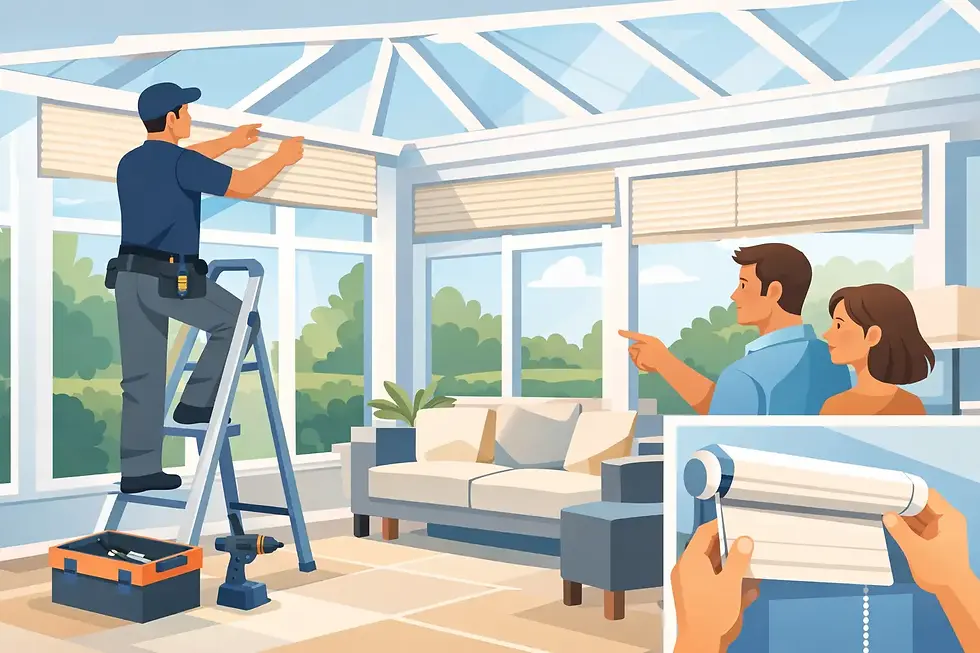
The process should feel straightforward. A survey records the dimensions and roof details, discusses fabric options and identifies the configuration that will work best. Once the design is agreed, the sails are manufactured in the UK for the individual conservatory.
Professional fitting then ensures the finished sails are positioned correctly, with a tidy appearance and secure fixings. Turnaround from survey to installation is designed to be fast, although times can vary depending on the size of the project, material choice and fitting availability.
The result is not just a darker roof. It is a conservatory that feels more comfortable, more considered and more useful when the sun is at its brightest. If you are weighing up conservatory sail prices, ask for a tailored quote that reflects your roof, your preferred finish and the level of service you expect - then you can choose with confidence.


Comments